If your product could harm a child, the package is your first line of defence. In Canada, cannabis products must be sold in child-resistant packaging, and some other regulated products, from certain medicines to household chemicals, have similar requirements. Getting it right means more than buying a bag with a special zipper. This checklist covers what to ask your supplier before you order.
What “child-resistant” actually means
A child-resistant (CR) package is designed so that young children find it hard to open, while adults, including older adults, can still open and close it properly. Most CR closures need two coordinated actions at once, such as pinching and pulling a zipper or pressing and turning a cap.
A package earns the label through testing, not through its design alone. Protocols such as ISO 8317 (for reclosable packages) and the US 16 CFR 1700.20 procedure test finished packages with panels of young children and adults. ASTM D3475 then classifies child-resistant packages by type.
The buyer’s checklist
- Ask for the certificate for your exact format. Certification applies to the package design that was tested: the zipper or closure, the structure and the size range. Ask for documentation that matches what you are ordering, and keep it on file.
- Confirm the standard. Check which protocol the package was tested to and that it is accepted in the markets where you sell.
- Test it with your product. Fill samples with your real product and fill weight. Overfilled pouches strain zippers, and product caught in the track can stop a CR zipper from closing.
- Make reclosing part of the instructions. A CR zipper only protects children when it is fully closed, so include clear “press to close” instructions on the pack.
- Check tamper evidence. Find out whether your market also requires the package to show if it has been opened, and plan how your pack will do that, for example with an intact heat seal above the zipper.
- Plan the label space. Mandatory warnings, symbols and product information take room. Map them on the dieline before you finalize the size.
- Match the finish to the rules. Regulations can limit colours and finishes as well as closures (see below).
Rule of thumb: certification follows the exact package, not the product category. Change the size, zipper or structure and you should check the paperwork again.
Plain packaging for cannabis in Canada
Health Canada’s rules for cannabis go beyond child resistance. Packaging sold in Canada must follow plain-packaging requirements, which include a uniform colour, strict limits on branding and finishes, and the standardized cannabis symbol and health warning messages. In practice, that means holographic, metallic and other eye-catching effects that are popular in other markets are generally not an option for Canadian cannabis packaging.
If you sell in more than one market, plan separate artwork and sometimes separate finishes for each. Always check final artwork against Health Canada’s current packaging and labelling guide for cannabis products.
Which CR formats fit which products
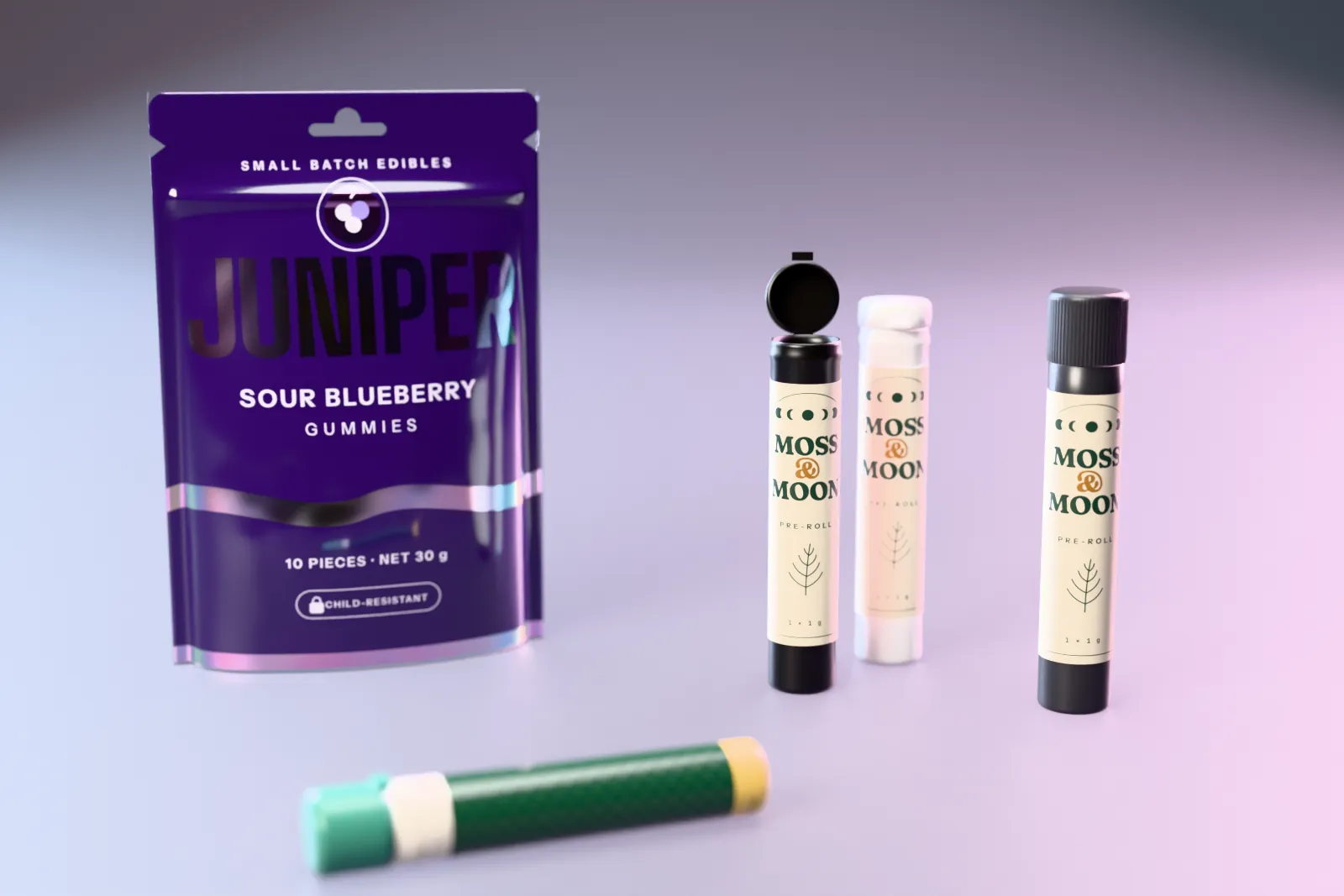
- CR stand-up pouches for flower and edibles, with room for labels on the front and back.
- CR lay-flat pouches for single servings and smaller fills.
- Tubes with CR closures for pre-rolls and vape cartridges, such as our pre-printed tubes.
How we help
Our child-resistant mylar bags are certified, in stand-up and lay-flat designs, and our pre-printed tubes come with child-resistant closures. We provide documentation for the format you order, label templates for our tubes, and advice on compliant finishes for each market. Request a quote or call (647) 494-7229.
This article is general information, not legal advice. Requirements change, so confirm the current rules for your product and market.