Both are “cardboard boxes”, but they do very different jobs. A folding carton is the printed box you pick up on a store shelf. A corrugated box is the tougher box it travels in. Picking the wrong one either wastes money on strength you don't need or risks damage in transit. This guide explains the difference and helps you choose.
The short answer
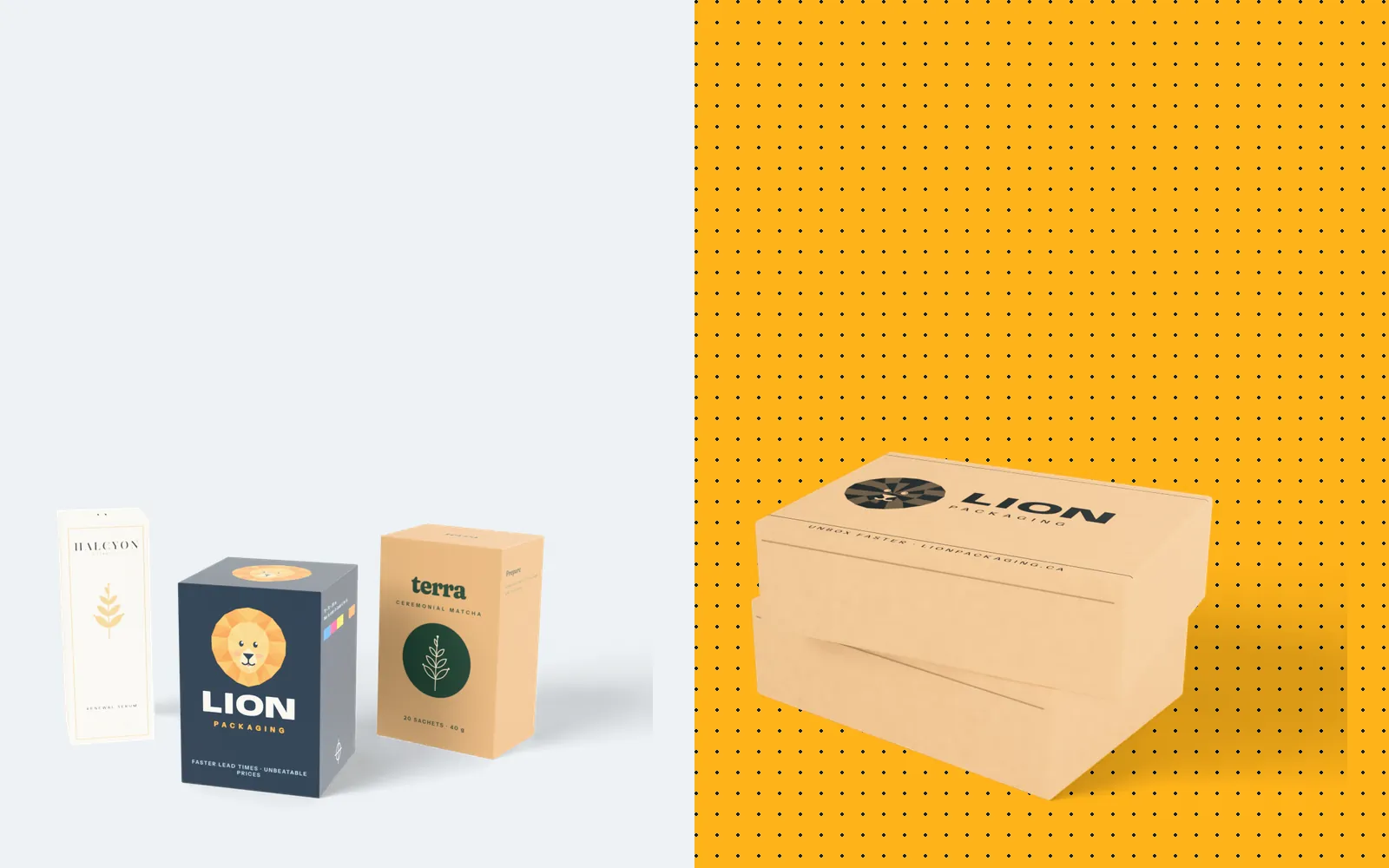
Choose a folding carton when the box sells the product on a shelf and doesn't need to survive shipping on its own. Choose a corrugated box when the box ships through a courier or carries weight. Many brands use both: a folding carton for the product and a corrugated shipper around it.
What is a folding carton?
A folding carton is made from a single layer of paperboard, usually between 14 and 24 points thick (a point is one-thousandth of an inch, so 18 pt is about 0.46 mm). The board is printed flat, die-cut, creased and glued, then shipped to you flat so it takes up little space until you pack it.
- Boards: solid bleached sulfate (SBS) for bright white print, kraft for a natural look, and recycled grades such as CCNB.
- Styles: reverse and straight tuck ends, auto-lock bottoms, trays, sleeves, display boxes, pillow and gable boxes.
- Finishes: matte or gloss coatings, soft-touch lamination, foil stamping, embossing, spot UV and window patches.
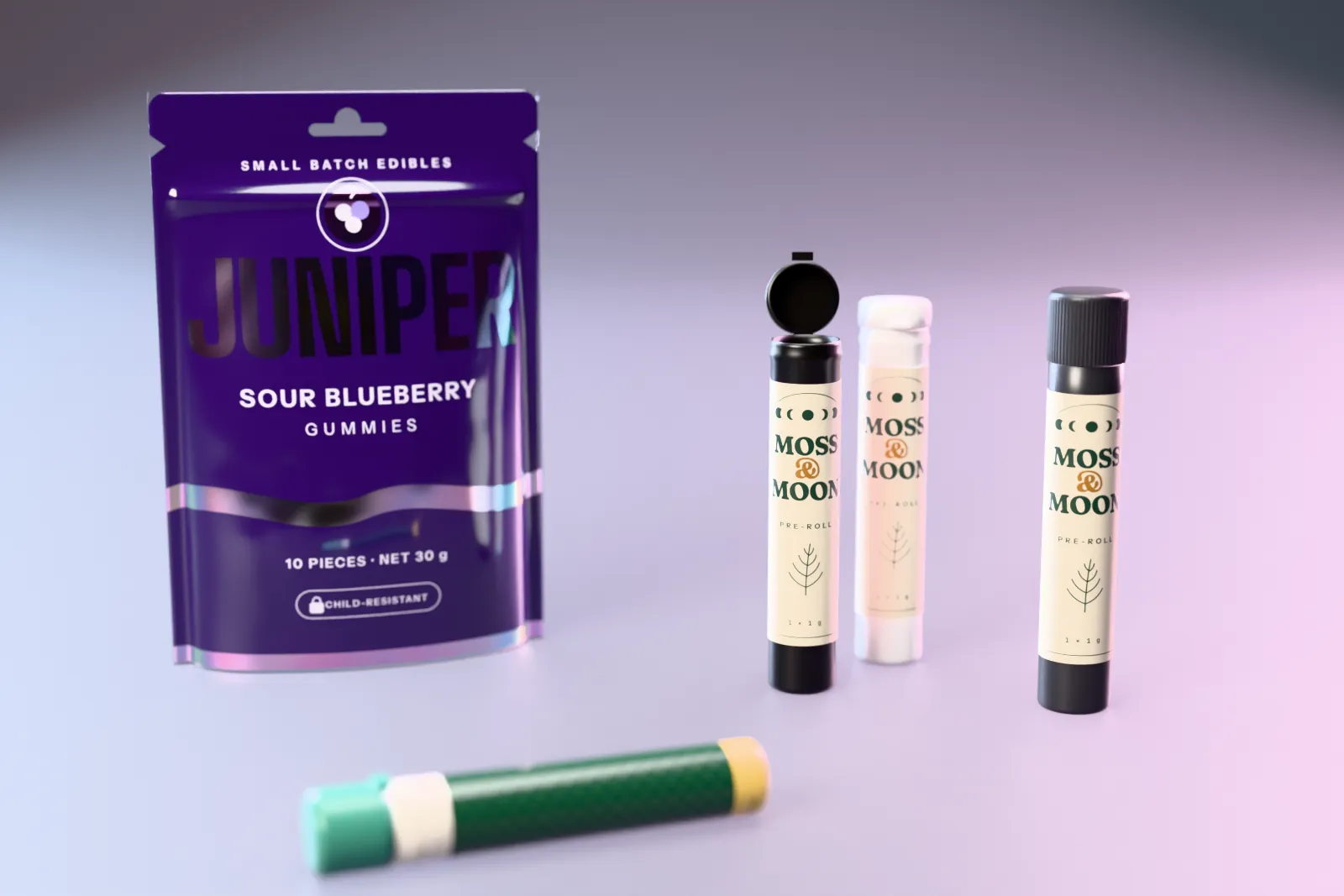
Folding cartons are the go-to for cosmetics, supplements, tea, confectionery, cannabis vapes and edibles, and any product where shelf appeal drives the sale. See the full range on our custom folding cartons page.
What is a corrugated box?
Corrugated board sandwiches a wavy layer called the fluting between two flat linerboards. Those flutes act like tiny arches, giving the board far more crush and stacking strength than paperboard of a similar weight. Flute sizes are named by letter:
- E-flute (about 1.5 mm): thin and printable. Popular for mailer boxes and retail packaging that also ships.
- B-flute (about 3 mm): a good all-rounder for shipping boxes and displays.
- C-flute (about 4 mm): extra cushioning for heavier shipping cartons.
Strength is usually specified with an Edge Crush Test (ECT) rating or a burst rating. For most e-commerce mailers, single-wall E- or B-flute is enough; heavy or fragile products may need double-wall board.
Side-by-side
| Folding carton | Corrugated box | |
|---|---|---|
| Structure | Single-ply paperboard | Liner + fluting + liner |
| Thickness | 14–24 pt (0.36–0.61 mm) | 1.5 mm (E) to 4 mm (C), more for double wall |
| Photo-quality, fine type, foil, emboss | Good to high; best on E-flute or litho-laminated | |
| Strength | Light protection | High crush and stacking strength |
| Typical use | Retail shelf packaging | Shipping, mailers, heavier products |
Five questions to decide
- Will the box ship by itself? If it goes through a courier without an outer box, choose corrugated.
- How heavy is the product? Light items under roughly half a kilogram usually sit happily in paperboard. Heavier products benefit from flutes.
- Where is it sold? On a retail shelf, print quality and finishes matter most, which favours folding cartons.
- Is unboxing part of the brand? Printed corrugated mailers give subscription and DTC brands a premium reveal that still survives shipping.
- What does storage cost you? Both ship flat, but paperboard cartons take far less warehouse space per thousand units.
Rule of thumb: the shelf box sells, the shipping box protects. If one box has to do both jobs, look at printed E-flute mailers.
When to use both
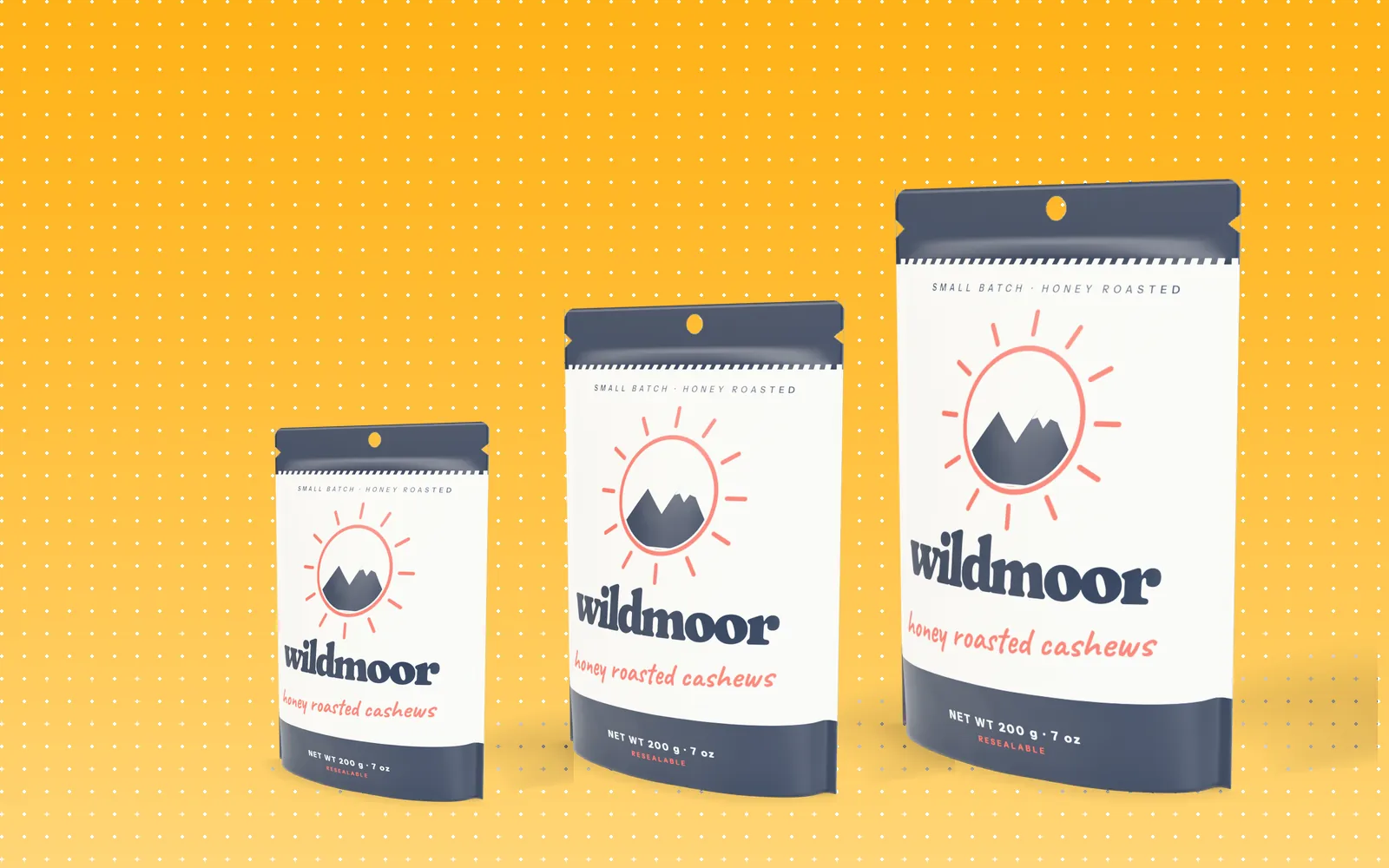
Retail brands often pack folding cartons into a plain corrugated shipper for wholesale orders, then use a printed corrugated mailer for direct-to-consumer orders. Coffee roasters and food brands do something similar with stand-up pouches inside cardboard packing boxes. If you also need the product filled and sealed, our sister company offers food co-packing in Vancouver & Toronto.
What to send for a quote
- Inside dimensions (length × width × depth) and the product weight.
- Box style, or a photo of a box you like.
- Board preference (SBS, kraft, recycled) or flute (E, B).
- Print colours, finishes and any foil, embossing or windows.
- Quantity per design and your target in-hand date.
Not sure? Send what you have and we will recommend a spec. Request a free quote or call (647) 494-7229.