How to evaluate child-resistant pre-roll tubes for the Canadian market: closures, documentation, sizes, labelling space and MOQs before you place an order.
Selecting child-resistant pre-roll tubes in Canada requires balancing closure compliance, physical dimension compatibility, and production timelines to ensure your product reaches retail shelves without disruption. Before committing to a bulk production order for child-resistant pop top tubes or screw-cap containers, packaging buyers must evaluate closure functionality, verify labelling automation compatibility, and confirm artwork alignment with Health Canada’s strict plain-packaging standards. Taking time to review these practical parameters early prevents costly lead-time delays, misfitting packaging, or regulatory rework down the line.
Choosing the Right Tube Format and Sizing
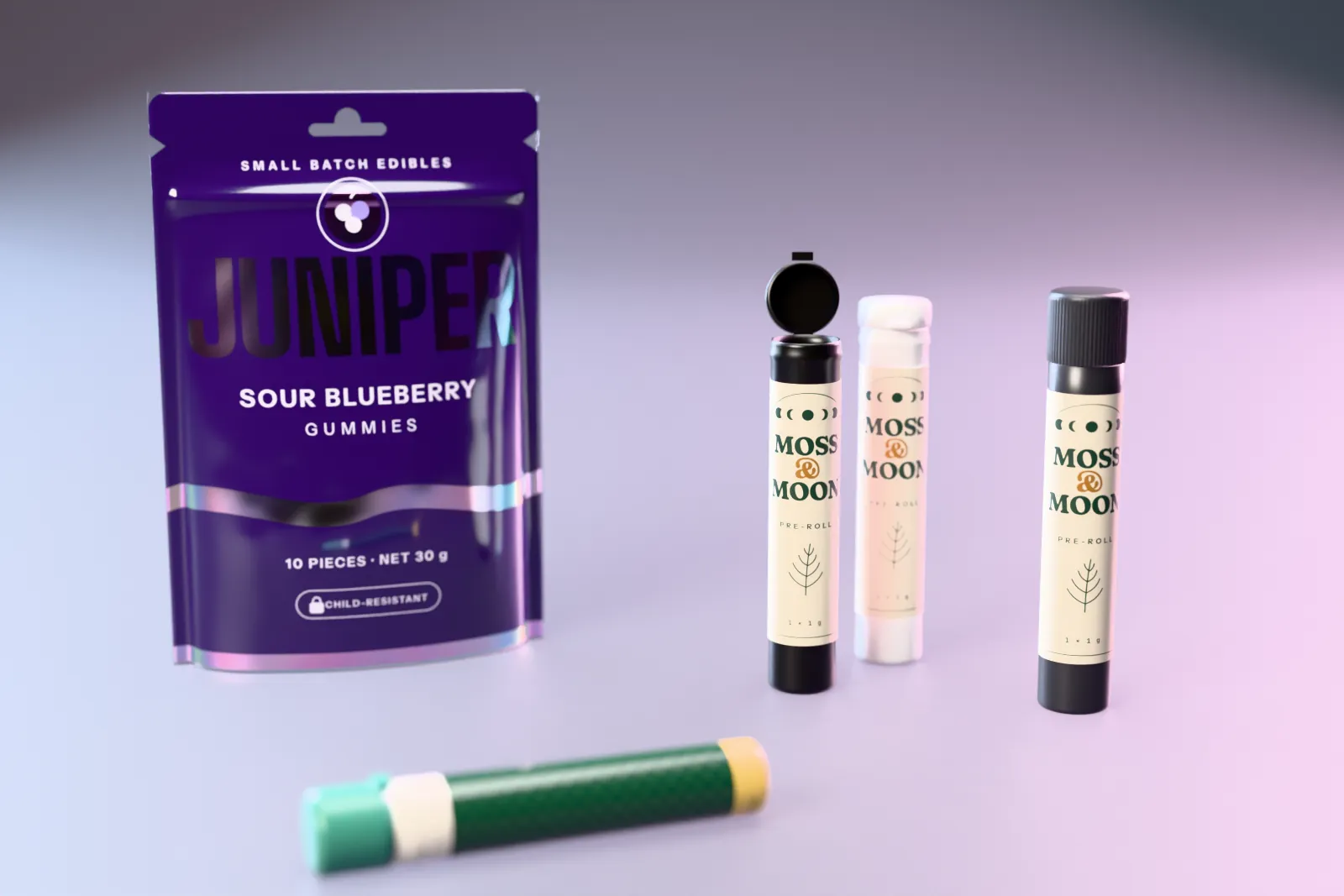
Pre-roll containers must do more than just house a product; they must protect the structural integrity of the pre-roll, prevent accidental opening by minors, and fit seamlessly into your automated or manual filling process. In the Canadian marketplace, the primary hard-container choices fall into two main categories: squeeze-to-open pop top tubes and threaded screw-cap tubes. Each format carries specific operational trade-offs regarding material feel, lid security, and capping speed.
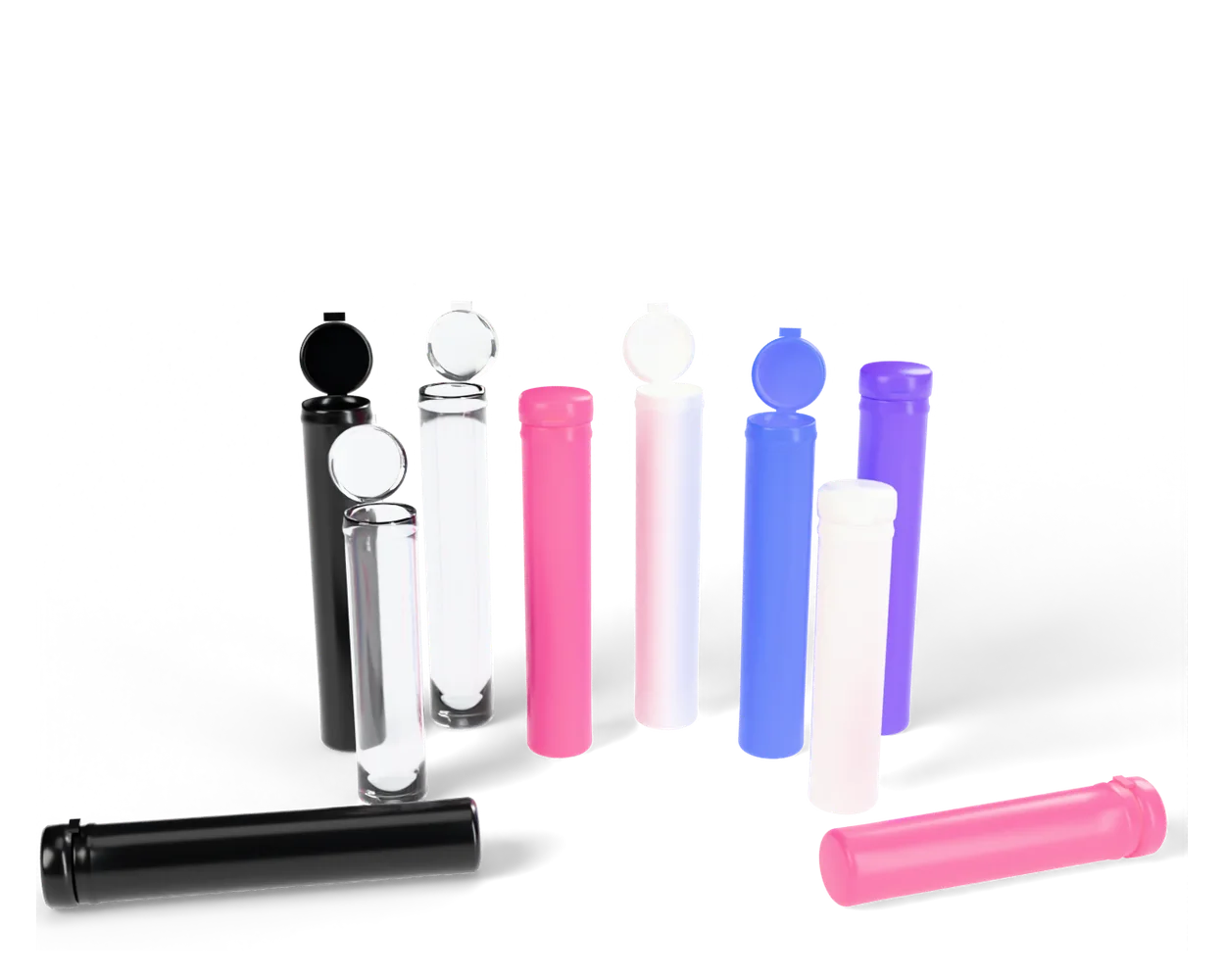
Squeeze-to-open pop top tubes rely on flexible sidewalls that release the top lid when pressure is applied to the upper portion of the tube body. Standard industry lengths for pop top tubes include 98 mm, 114 mm, 116 mm, and 120 mm sizes. These accommodate standard single pre-rolls, multi-packs, or longer cone formats. For wider products, infused pre-rolls, or multi-packs requiring greater internal clearance, wide-format pop top tubes are available in 14 mm, 24 mm, and 26 mm internal diameters. Pop top designs are popular on automated packaging lines because the hinged cap remains attached to the body, eliminating cap-sorting steps during manual or semi-automated fulfillment.
Threaded screw-cap tubes utilize a continuous or multi-turn thread coupled with a child-resistant push-and-turn mechanism. Standard screw-cap tube lengths include 125 mm options manufactured from polypropylene (PP) or polyethylene terephthalate (PET), as well as wide-format choices measuring 77 mm, 116 mm, and 123 mm in PP or polyethylene (PE). Screw-cap closure designs can feature either ribbed caps for improved tactile grip during opening or flat caps for a smooth aesthetic profile. PET plastic provides higher clarity if a clear container look is desired, whereas PP offers greater sidewall flex and chemical resistance. Buyers evaluating screw-cap containers should test cap-torque requirements and thread engagement to ensure operational teams can seal units efficiently at scale.
Navigating Compliance and Health Canada Packaging Rules
In Canada, any packaging intended for commercial cannabis retail must meet strict federal rules. Specifically, cannabis products sold in Canada must be packaged in a child-resistant immediate container, and packaging must adhere to Health Canada's plain-packaging and labelling requirements under the Cannabis Regulations. Because the primary container acts as the immediate barrier, the physical tube and its closure mechanism play a critical role in your overall packaging compliance strategy.
Plain packaging guidelines generally require a single uniform colour on all external surfaces, strict limitations on brand logos and design accents, and required standard elements such as the standardized cannabis symbol, a specific health warning message box, and THC/CBD content indicators. Premium decorative treatments commonly seen in standard retail, cosmetic, or food packaging—such as metallic or fluorescent colours, embossing, debossing, tactile textures, foil stamping, cut-out windows, or scented coatings—are restricted on cannabis packaging sold in Canada. While these high-end embellishments are widely used across non-cannabis retail products, cannabis artwork must adhere strictly to single-colour backgrounds and non-reflective finishes.
Because regulatory interpretations can vary based on product format, brand managers and procurement leads should never assume a package design is compliant by default. Always submit proposed artwork layout proofs and physical container specifications to your legal or regulatory review team. Direct reference to Health Canada's official packaging and labelling guide on canada.ca will help clarify exact layout placement, warning message positioning, and surface area coverage requirements before launching bulk production.
Labelling Automation and Custom Printing Options
Once you have selected a tube size and closure style, the next step is determining how brand messaging and mandatory regulatory data will be applied to the tube body. Packaging buyers typically choose between applying pressure-sensitive paper or film labels to stock tubes or ordering direct-printed containers.
Applying pressure-sensitive labels to stock white, black, or clear tubes offers maximum flexibility for brands running multiple strain SKUs or frequent batch rotations. However, label application requires careful attention to container taper and surface energy. Cylindrical pre-roll tubes feature subtle draft angles—slight tapers built into the mold to allow container ejection during manufacturing. If label artwork is designed for a perfect rectangle without accounting for this taper, the label may smile, edge-lift, or flag during high-speed automated application. Utilizing pre-tested label die-line templates prevents label overlap errors and ensures compliance text remains crisp and legible.
For large volume releases or permanent product lines, custom pre-printed tubes eliminate the labor and potential alignment issues associated with secondary label application. Direct printing methods allow full-bleed color coverage and precise Pantone color matching directly onto the tube wall. When choosing direct printing, buyers must confirm artwork proofs early to account for plate setups and color target verifications.
Evaluating Material Durability and Co-Packer Compatibility
For brands utilizing third-party licensed producers (LPs) or contract packaging facilities, container compatibility extends beyond aesthetic appeal to line efficiency. Co-packing lines rely on precise container tolerances to maintain high throughput. Tubes with inconsistent wall thickness, irregular lip diameters, or overly stiff squeeze-mechanisms can lead to jam-ups in feeding hoppers or capping machinery.
When selecting between polypropylene (PP), polyethylene terephthalate (PET), or polyethylene (PE), consider how the packaging material behaves under stress during shipping and handling. Polypropylene is highly durable and impact-resistant, making it an ideal choice for pop top squeeze mechanisms that endure repeated flexing. PET provides rigidity and high transparency, making it suitable for clear screw-cap applications where visual clarity is preferred. Regardless of the material chosen, requesting physical samples for trial runs on your co-packer's fill-and-seal line is a vital quality control step before committing to thousands of units.
Where Lion Packaging Fits
As a Canadian company supplying brands, licensed producers, and co-packers across Canada and the United States—with a core focus on Ontario, British Columbia, Washington, and Oregon—Lion Packaging delivers custom rigid and flexible packaging solutions built for automated handling and regulatory consistency. To support strategic product planning, here is how our pre-roll tube program operates:
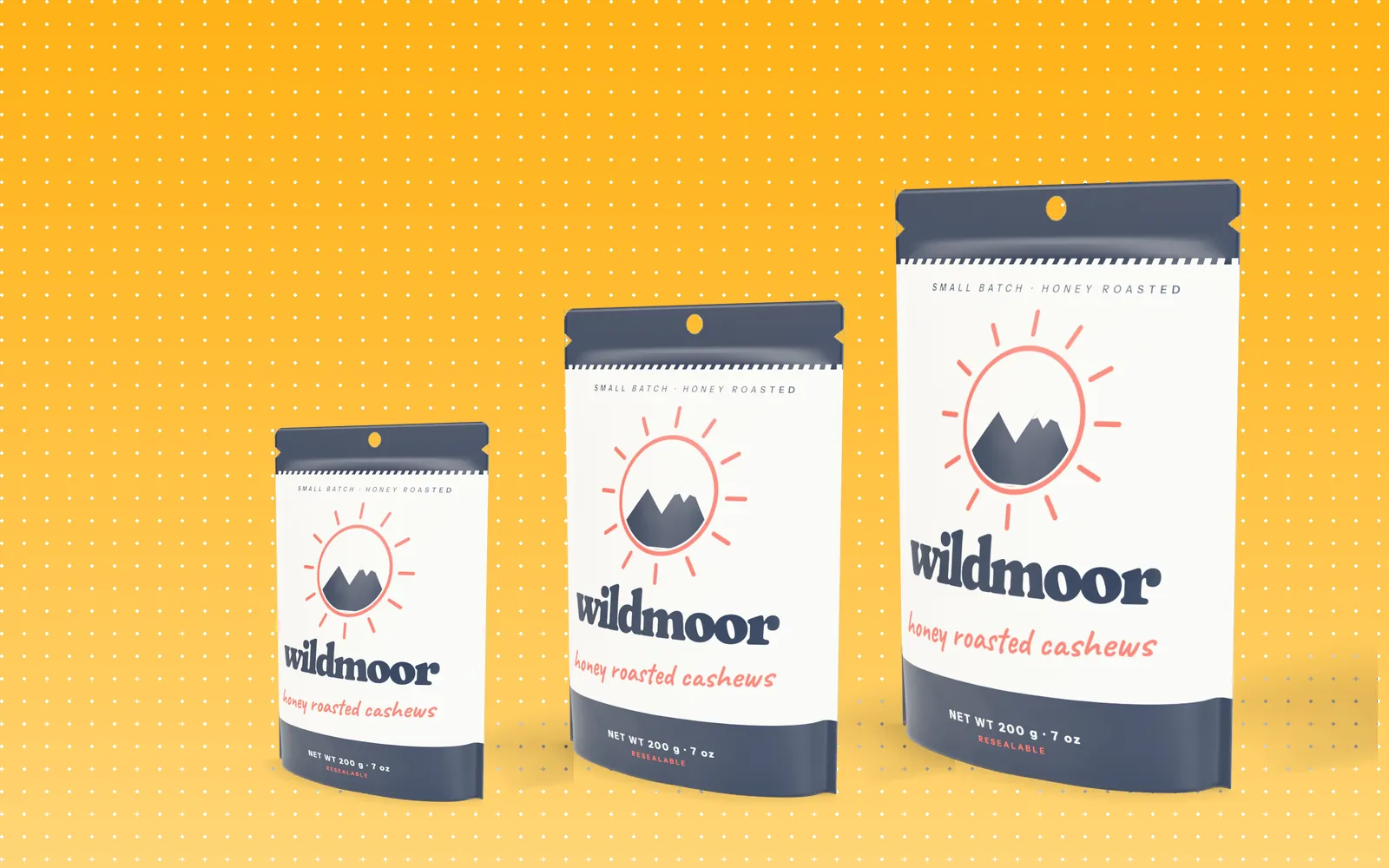
- Minimum Order Quantities: Pre-roll tube orders, covering both pop top and screw-cap formats in all standard lengths and wide dimensions, start at 5,000 units. For broader product lines, custom folding cartons and printed boxes start at 2,000 units, while child-resistant mylar pouches are quoted per project to suit short or long digital print runs.
- Production Timelines: Pre-roll tubes run on a standard 30-day production lead time. For secondary packaging like custom folding cartons, corrugated mailers, or high-barrier pouches, lead times vary based on print method, order volume, and specialty finishes; every formal quote provides an exact production timeline.
- Format Availability: Pop top tubes are available in 98, 114, 116, and 120 mm lengths, along with wide 14, 24, and 26 mm sizes. Screw-cap tubes come in 125 mm (PP or PET) and wide 77, 116, and 123 mm sizes (PP or PE) with flat or ribbed caps. Base colors include solid white, black, clear, or custom Pantone matched shades.
- Proofing & Quality Assurance: Every custom order undergoes prepress proofing and Pantone color matching prior to manufacturing. Production begins only after formal client proof approval.
- Child-Resistant Support: Child-resistant tube closures and certified child-resistant mylar pouches are available, with child-resistance certification documentation for the exact format ordered provided upon request for regulatory files.
- Service & Logistics: Digital line templates are provided for internal compliance review and machine calibration. Free, no-obligation quotes, physical samples, design prototypes, flexible payment schedules, and direct drop-shipping to co-packers or fulfillment facilities are available nationwide.
Pre-Order Checklist for Pre-Roll Tube Buyers
Before issuing a purchase order for pre-roll tubes, run through this final operational checklist to confirm every technical detail has been addressed:
- Confirm Product Dimensions: Measure total pre-roll length (including filter paper) and maximum bundle diameter to select the correct tube length (98 mm, 114 mm, 116 mm, 120 mm, or 125 mm) and width.
- Select Closure Style: Decide between a squeeze-to-open pop top mechanism or a threaded push-and-turn screw-cap based on customer handling preference and automation capabilities.
- Verify Health Canada Artwork Compliance: Ensure artwork adheres to plain-packaging guidelines, featuring a single solid background color, correct hazard warning placements, and no prohibited metallic or embossed finishes.
- Obtain Label Die-Line Templates: Download exact artwork templates to account for tube draft angles, ensuring labels lay flat without flagging or overlapping key messaging.
- Request Certification Records: Obtain child-resistance testing documentation for the exact container and closure combination from your supplier for your compliance archives.
- Plan Production Lead Times: Factor the 30-day production lead time for pre-roll tubes into your inventory replenishment schedules to prevent supply chain stockouts.
- Test with Co-Packers: Run physical sample tubes through your filling, capping, or labelling machinery to confirm mechanical handling before approving full production runs.
FAQs
What is the minimum order quantity for custom pre-roll tubes?
Minimum order quantities for pre-roll tubes, including pop top and screw-cap designs across all standard sizes, start at 5,000 units. Other custom formats, such as folding cartons or high-barrier pouches, feature distinct minimum order thresholds based on the selected print process.
What is the production lead time for pre-roll tube orders?
Pre-roll tubes operate on a standard 30-day production lead time following final artwork proof approval. Shipping timelines to your warehouse or third-party co-packer depend on the final destination and delivery options chosen during quoting.
Are child-resistant certification documents available for pre-roll containers?
Yes, child-resistant closure certification documents for the specific tube format ordered are available upon request to assist with your internal compliance record-keeping. Brand owners must always verify that their complete packaged assembly satisfies their specific regulatory requirements.
Can pre-roll tubes feature foil stamping, embossing, or spot UV finishes?
Under Health Canada’s plain-packaging regulations for cannabis products, metallic colors, embossing, foil stamping, and glossy spot UV finishes are generally restricted on immediate containers. However, non-cannabis packaging applications may incorporate these decorative embellishments freely.
To review exact physical templates or request a detailed proposal for your upcoming packaging run, submit your specifications for a free custom packaging quote today.
This guide is general information, not legal advice. Always check final packaging and artwork against Health Canada’s current packaging and labelling guide for cannabis products.