Compare custom folding cartons Canada options like straight tuck, snap-lock bottom, auto-bottom, and sleeves to choose the right box style for your brand.
Choosing the right folding carton style comes down to balancing structural strength, packing speed on your production line, and overall material efficiency. While a simple tuck end box works well for lightweight retail items, heavier products or high-volume packing operations often require an auto-bottom or snap-lock base. If you are evaluating Custom folding cartons in Canada for a retail brand, understanding these structural trade-offs prevents box failure on store shelves and keeps your fulfillment labor costs predictable.
Tuck End Boxes: Straight Tuck vs. Reverse Tuck
Tuck end cartons are among the most recognized folding box styles in retail packaging. They arrive flat, fold into shape quickly, and close using friction flaps at the top and bottom. However, the direction those flaps fold makes a noticeable difference in production cost and visual presentation.
Straight Tuck End (STE) Cartons
On a straight tuck carton, both the top and bottom closure flaps fold toward the back of the box. This creates a smooth, unbroken face on the front panel because no raw paperboard edges are visible from the front view.
If you run a cosmetic line, a skincare bottle, or a premium wellness item, straight tuck is often the preferred choice. The primary trade-off comes down to press sheet layout. Because both flaps extend from the same side of the box blank, straight tuck boxes yield slightly fewer boxes per sheet of paperboard during printing. That can marginally increase unit costs on large production runs.
Reverse Tuck End (RTE) Cartons
On a reverse tuck carton, the top flap folds toward the back while the bottom flap folds toward the front. This alternating design allows the box blanks to interlock efficiently on the printing press sheet, minimizing wasted paperboard.
Because of this sheet efficiency, reverse tuck is one of the most cost-effective box styles available. It is widely used for pharmaceutical supplies, lightweight food items, and retail consumer goods where maximum yield per paperboard sheet is a priority. The minor downside is that one cut edge of paperboard remains visible at the top front seam, which some high-end brands prefer to avoid.
Heavy-Duty Bottom Closures: Snap-Lock vs. Auto-Bottom
Standard tuck flap bottoms work well for light items like tubes, small bottles, or light electronics. But if your product carries weight, such as a glass jar, a liquid bottle, or a dense multi-pack, relying on a standard friction tuck bottom puts you at risk of the bottom popping open when a customer lifts the box.
Snap-Lock Bottom (1-2-3 Bottom)
A snap-lock bottom, often called a 1-2-3 bottom, uses four interlocking paperboard flaps that push together to create a reinforced base. You push flap one down, slide flaps two and three in from the sides, and lock flap four into the central slot.
This construction holds significantly more weight than a standard tuck flap while using less paperboard glued area than an auto-bottom box. The main trade-off is hand assembly time. Packing staff must manually perform the three-step closure for every box. If your order volume is between 2,000 and 5,000 units and hand-packing speed is not your main bottleneck, snap-lock gives you structural support without extra gluing costs.
Auto-Bottom (Crash Lock) Cartons
Auto-bottom cartons, also known as crash lock boxes, are pre-glued at the converting plant so that the bottom base automatically snaps into shape as the box is erected. Your packing team simply squeezes the sides of the flattened box, and the bottom instantly locks into place.
This setup slashes packing time on fulfillment lines. If your team packs thousands of units per week, the labor savings usually outweigh the slightly higher initial box cost. However, auto-bottom boxes require precise machine gluing during manufacturing, which makes them slightly thicker when folded flat for shipping.
Custom Folding Cartons Canada: Box Sleeves and Retail Packaging Options
Not every product requires a six-sided enclosed box. Custom packaging sleeves, also known as belly bands, offer an efficient alternative when paired with a plain unprinted box, a plastic tub, or a primary container.
A box sleeve is open on two sides and slides directly over an inner box or product. This format lets you standardise your base container while running different printed sleeves for individual stock keeping units (SKUs) or seasonal flavors. If your business manufactures multiple product variants, using sleeves can reduce your overall packaging inventory footprint while maintaining clean print quality.
For products requiring additional shipping protection or bulk outer handling, brands frequently pair interior folding cartons with custom Corrugated boxes to prevent crushed corners during transit.
Selecting the Right Paperboard Grade and Finish
The material you pick determines how your folding carton looks, feels, and performs on the retail shelf. Paperboard thickness is measured in calipers, where one point equals one thousandth of an inch (0.001 inches). Most retail cartons range from 16-point to 24-point board.
Common board options include:
- Solid Bleached Sulfate (SBS): A bright white paperboard bleached inside and out. It provides a crisp background for vibrant full-color printing and is popular in Beauty and wellness packaging.
- Kraft Paperboard: Made from unbleached natural wood fibers. It offers a distinct brown look, high tear resistance, and a natural tactile texture.
- Clay Coated News Back (CCNB): A recycled board with a smooth white surface on one side and a grey recycled finish on the inside. It provides an economical option for retail items where the interior appearance is less critical.
To enhance visual impact, specialty finishes like spot UV coatings, foil stamping, soft-touch matte lamination, or embossing can be applied over your artwork during the printing process. You can explore how different print methods work across short and long runs on our Printing options page.
Practical Packaging Scenarios: Making the Right Call
To see how these structural choices play out in real operations, consider these two practical scenarios.
Example 1: A 30 ml Skincare Serum in a Glass Bottle A cosmetic brand is launching a liquid serum packaged in a heavy glass dropper bottle. Because glass carries weight and can break if dropped, a standard reverse tuck box without support creates a risk of the bottom opening under load. The recommended build is an 18-point SBS straight tuck carton paired with a custom internal paperboard insert that suspends the bottle away from the outer walls. The straight tuck top keeps the front face smooth for a clean aesthetic, while the internal insert prevents product movement.
Example 2: A Multi-Flavor Snack Bar Brand A food business needs retail-ready boxes for four different snack bar SKUs, producing 10,000 total boxes per month. Speed on the packing table is their primary goal. In this case, an auto-bottom carton with a tuck top is the practical choice. Their fulfillment team can pop each box open in one second, drop in the bars, and close the top flap. Using digital printing across all four SKUs avoids print plate fees while allowing them to meet minimum order thresholds efficiently.
Where Lion Packaging Fits
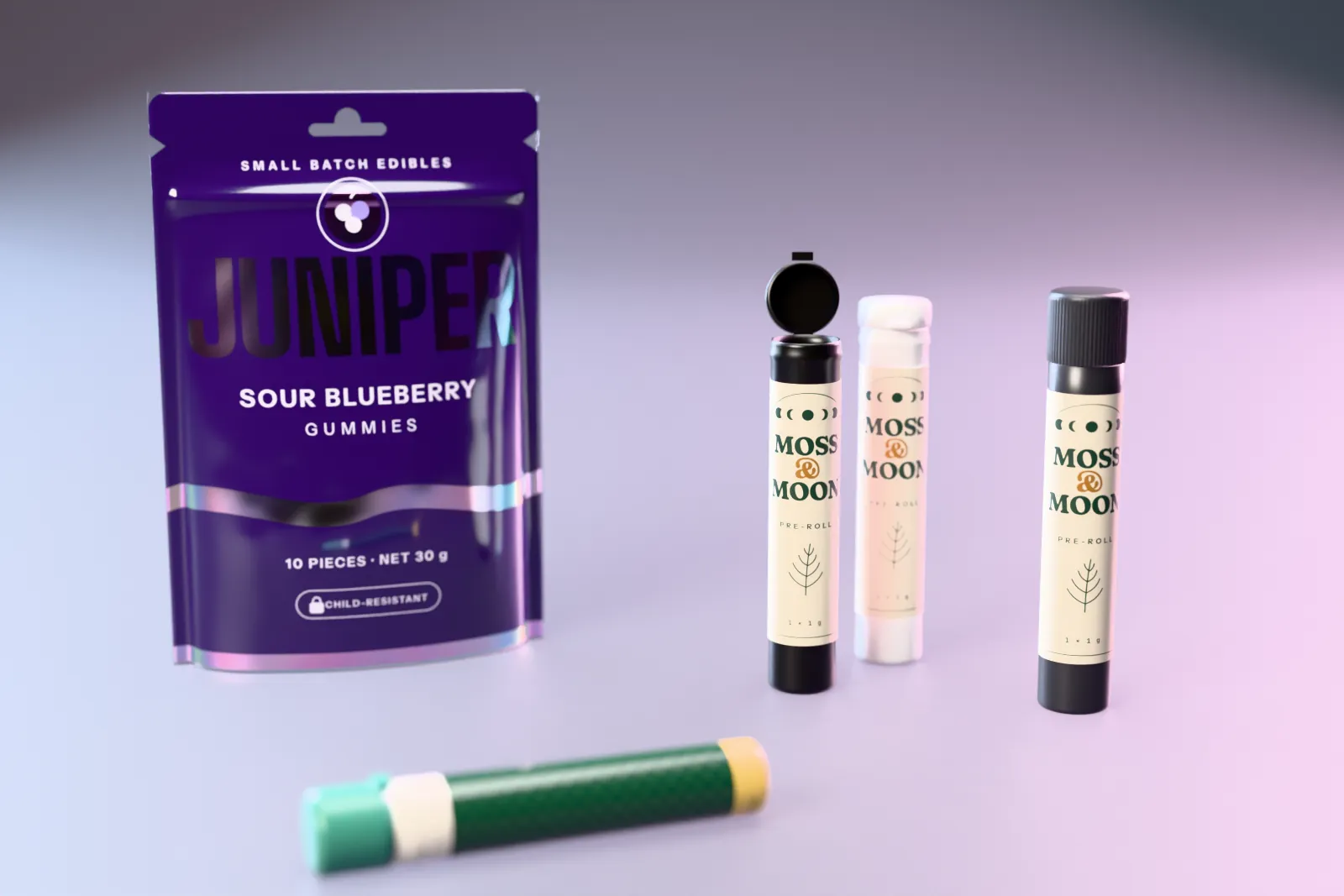
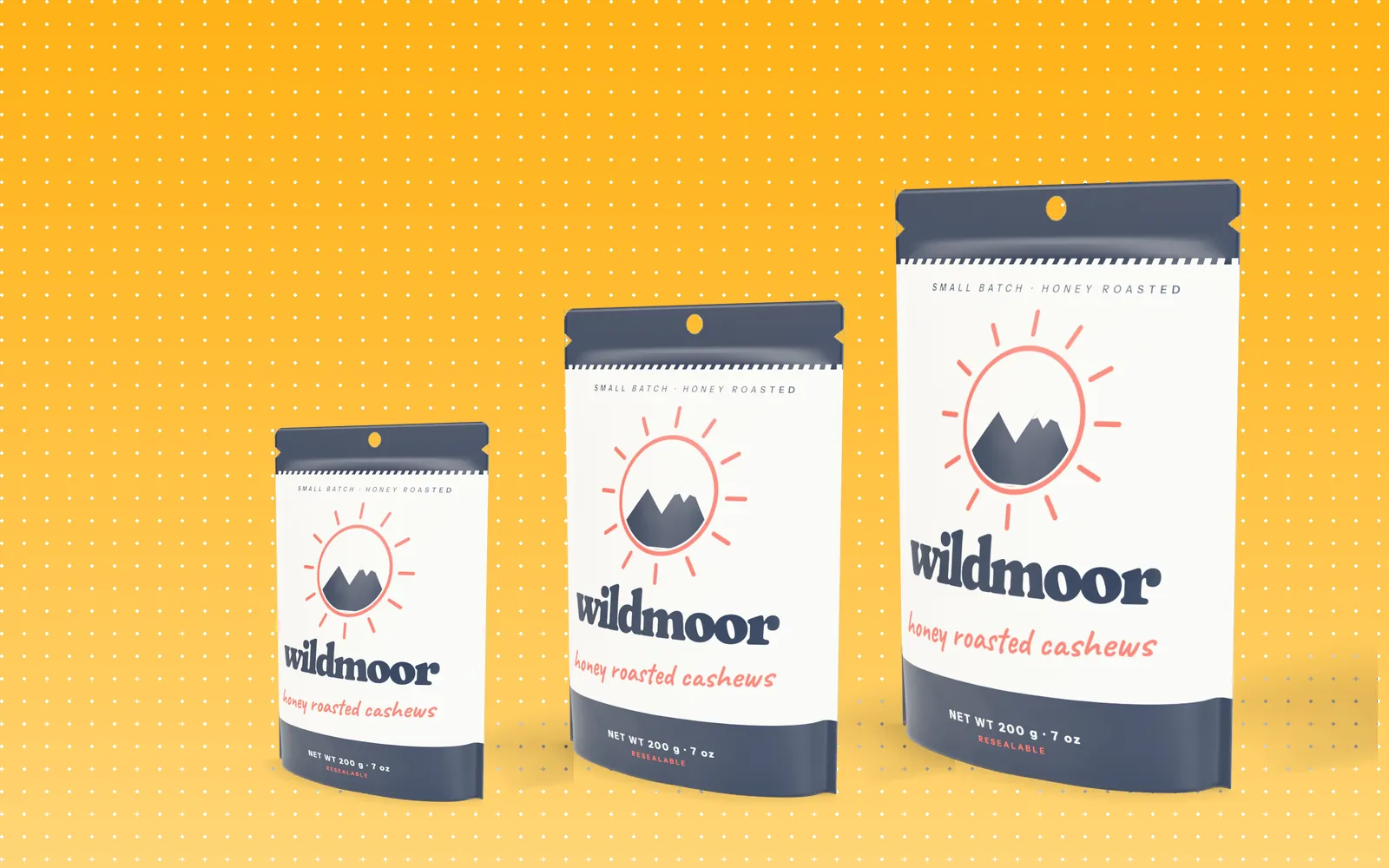
Lion Packaging is a Canadian company supplying custom packaging to brands across Canada and the United States, with a focused service area in Ontario, British Columbia, Washington, and Oregon. Whether you need printed paperboard boxes, flexible pouches, or child-resistant containers, we provide tailored guidance and direct order support.
Our capabilities and order conditions for custom cartons and printed packaging include:
- Minimum Order Quantities: Custom folding cartons and printed boxes start at 2,000 units. For larger tube programs, pre-roll tubes start at 5,000 units, while digitally printed pouches are quoted per project to suit smaller runs.
- Printing Capabilities: We offer digital printing (no plate fees, ideal for multiple SKUs and shorter runs), flexographic printing (lower unit cost on medium to long runs), and rotogravure printing for very large repeat orders.
- Proofing and Quality Control: Every order is fully proofed and Pantone color matched before production begins. Production starts only after you review and approve the final proof.
- Samples and Lead Times: Physical samples and structural prototypes are available on request so you can check sizing before full production. Lead times depend on print method, quantity, and finishes, and every quote includes a clear production timeline.
- Logistics and Payment: We ship directly to your business, co-packer, or fulfillment center, and flexible payment plans are available.
Quote Preparation Checklist for Custom Cartons
Before requesting a quote for your custom folding box project, collect these five details to speed up your pricing response:
- Exact Outer Dimensions: Measure length, width, and depth (L x W x D) in inches or millimeters.
- Product Weight: Know the weight of the item entering the box so we can recommend the appropriate paperboard caliper.
- Target Quantity: Confirm your initial run size (minimum 2,000 units for folding cartons).
- Artwork and Finishes: Note how many SKUs you are running and whether you need specialty finishes like foil stamping or soft-touch lamination.
- Fulfillment Method: Indicate whether your boxes will be packed by hand or assembled on automated packaging equipment.
FAQs
What is the minimum order quantity for custom folding cartons?
Our minimum order quantity for custom folding cartons and printed boxes is 2,000 units per production run. This threshold helps balance press setup times and unit manufacturing costs for custom sizes.
What is the difference between a straight tuck and a reverse tuck box?
On a straight tuck box, both top and bottom closure flaps fold toward the back, leaving a smooth front panel with no raw edges visible. On a reverse tuck box, the flaps fold in opposite directions, which improves paperboard sheet yield during printing and reduces unit cost.
Can custom cartons be shipped directly to a co-packer?
Yes, we can ship your finished carton orders directly to your designated co-packer or third-party fulfillment center across Canada and the United States. Simply provide your delivery location details when requesting your quote.
How do I choose the correct paperboard thickness for my product?
Paperboard thickness is chosen based on product weight and required stack strength, typically ranging from 16-point board for lightweight items up to 24-point board for heavier items. Our team can evaluate your product dimensions and weight to recommend the right caliper or provide physical structural samples for testing.
To start your packaging project or request exact pricing for your custom box sizes, contact our Canadian packaging team today for a Free custom quote with no obligation.